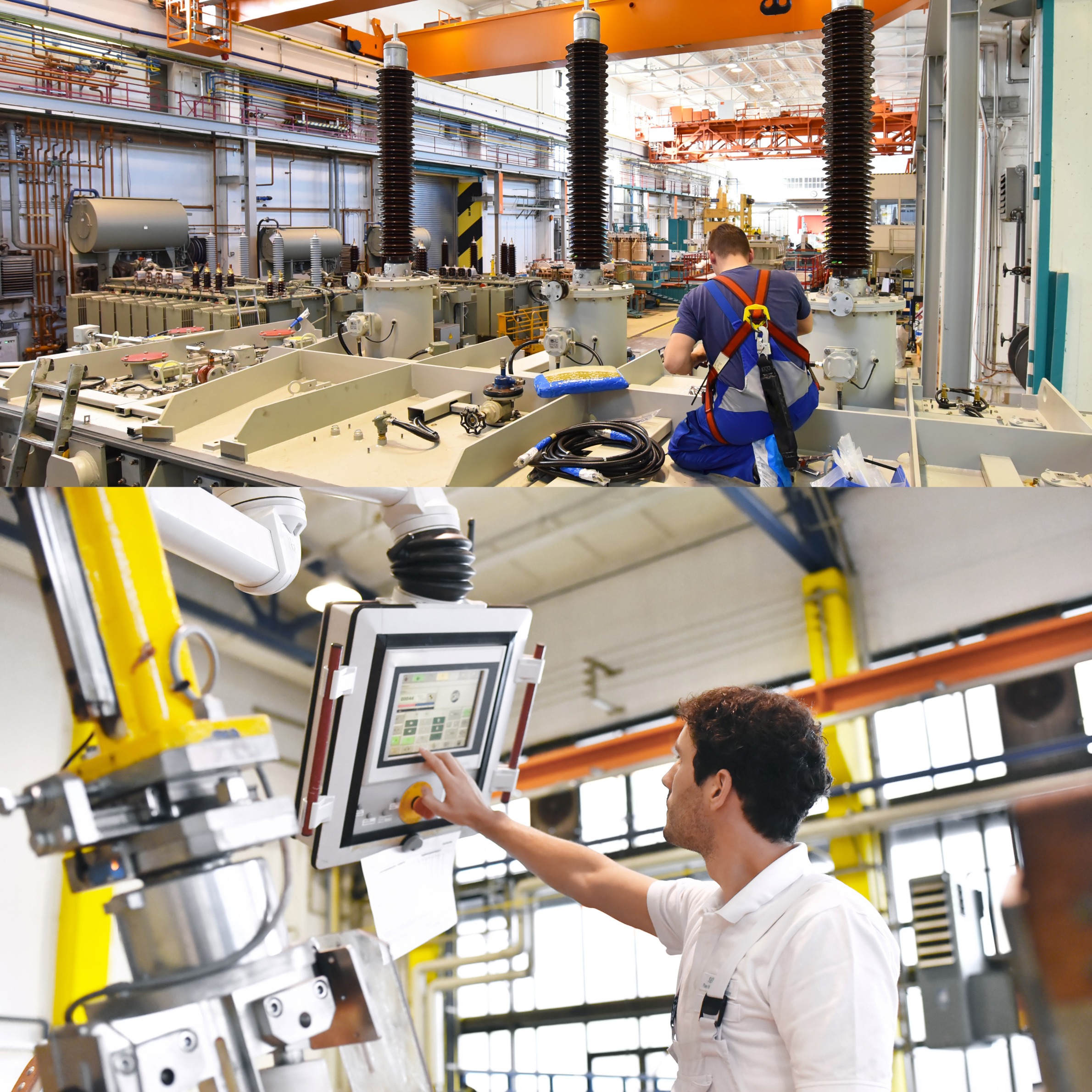
[Updated August 2026] Manufacturing equipment finance provides Australian manufacturers with funding for machinery, production equipment, and technology upgrades without depleting working capital. Indicative rates for equipment finance in Australia currently commonly start around 6.59% p.a. and can reach 15% p.a., depending on credit profile, documentation, asset type, and new vs used equipment, with loan amounts from $10,000 to $5 million+ (indicative and lender-dependent) and terms from 1-7 years.
Currently, Australian businesses may face higher interest rates, cautious lenders, rising equipment costs and increased pressure on cash flow. In this tight operating environment, strategic equipment finance remains crucial for preserving working capital and ensuring sustained growth. While lenders have become more selective on credit, approvals remain fast for strong applications, and same-day pre-approval may be available for straightforward applications.
Most lenders require businesses with active ABNs; many mainstream lenders prefer 12+ months trading history, while specialist lenders may consider newer manufacturers.
Modern comparison platforms allow efficient evaluation of options from a large panel of lenders, with settlements possible within days for straightforward applications (subject to lender and circumstances).
📄 Navigation Guide
Types of Manufacturing Equipment Financed
Manufacturing businesses commonly finance diverse equipment including:
- Production Machinery - CNC machines, lathes, mills, presses, injection moulding equipment, and automated production lines
- Material Handling Equipment - Forklifts, conveyors, cranes, and warehouse automation systems
- Quality Control Equipment - Testing equipment, measurement instruments, inspection systems
- Technology Infrastructure - Industrial computers, software systems, robotics, automation technology
- Fabrication Equipment - Welding equipment, cutting machines, assembly systems
- Packaging Equipment - Automated packaging lines, labelling systems, sealing equipment
For comprehensive guidance on equipment finance structures, our detailed reviews compare chattel mortgages, hire purchase, and leasing options.
Finance Structures for Manufacturers
Chattel Mortgage - Manufacturers own equipment from day one, claiming depreciation deductions and GST input tax credits. Popular for businesses seeking tax-effective structures. Learn more about chattel mortgage benefits.
Commercial Hire Purchase - Ownership transfers at term end, often used when manufacturers want flexibility or lower initial deposits.
Equipment Lease - Lender retains ownership while manufacturer uses equipment. Options at term end include returning equipment, extending lease, or purchasing at residual value.
Unsecured Equipment Finance - Available for smaller equipment purchases or established manufacturers with strong credit profiles. Higher rates but faster approval processes.
Rates and Terms
Indicative Rate Ranges (Updated August 2026):
- Strongest applications (Established manufacturers 2+ years, excellent financials): From 6.59% p.a.
- Established manufacturers (2+ years, strong financials): Typically 7-10% p.a.
- Standard manufacturers (1-2 years trading): 10-13% p.a.
- Developing manufacturers or specialist equipment: 13-15% p.a.
Rates are indicative examples only. Actual rates depend on business trading history, financial strength, equipment type, and lender assessment.
Common Terms:
- Light equipment: 1-3 years
- Standard production machinery: 3-5 years
- Heavy industrial equipment: 5-7 years
- Loan amounts: $10,000 to $5 million+ (indicative and vary by lender)
Typical Fees:
- Establishment fees: $395-$1,495 (may vary by lender and application channel)
- Monthly account keeping: $15-$40
- PPSR registration: $50-$150 (standard for secured equipment finance)
- Documentation fees: Vary by lender
- Early repayment fees: May apply depending on loan structure
Eligibility for Manufacturers
Business Requirements:
- Active ABN and manufacturing operations
- Trading history: Many mainstream lenders prefer 12+ months, while specialist lenders may consider newer businesses.
- Demonstrated production capacity and revenue
- Financial documentation appropriate to loan amount
- Business and director credit assessment
Equipment Requirements:
- Business-use equipment (51%+ manufacturing purpose)
- Equipment with established markets or clear valuations
- New or used equipment (age restrictions apply)
- Clear purchase documentation and legitimate suppliers
Eligibility criteria may vary by industry, loan amount, and equipment type. For self-employed manufacturers or newer businesses, specialist lenders often provide flexible assessment pathways.
Benefits for Manufacturing Businesses
- Preserve Working Capital - Finance equipment purchases without depleting cash reserves needed for raw materials, payroll, or operational expenses. Critical for manufacturers managing inventory and production cycles.
- Tax-Effective Structures - Depending on structure and individual circumstances, manufacturers may claim depreciation deductions, interest deductions, and GST input tax credits. Tax benefits depend on your specific business structure and circumstances—consult your accountant.
-
Technology Upgrades - Access latest production technology, automation, or efficiency improvements without waiting to accumulate full purchase amounts. Maintain competitive edge through modern equipment.