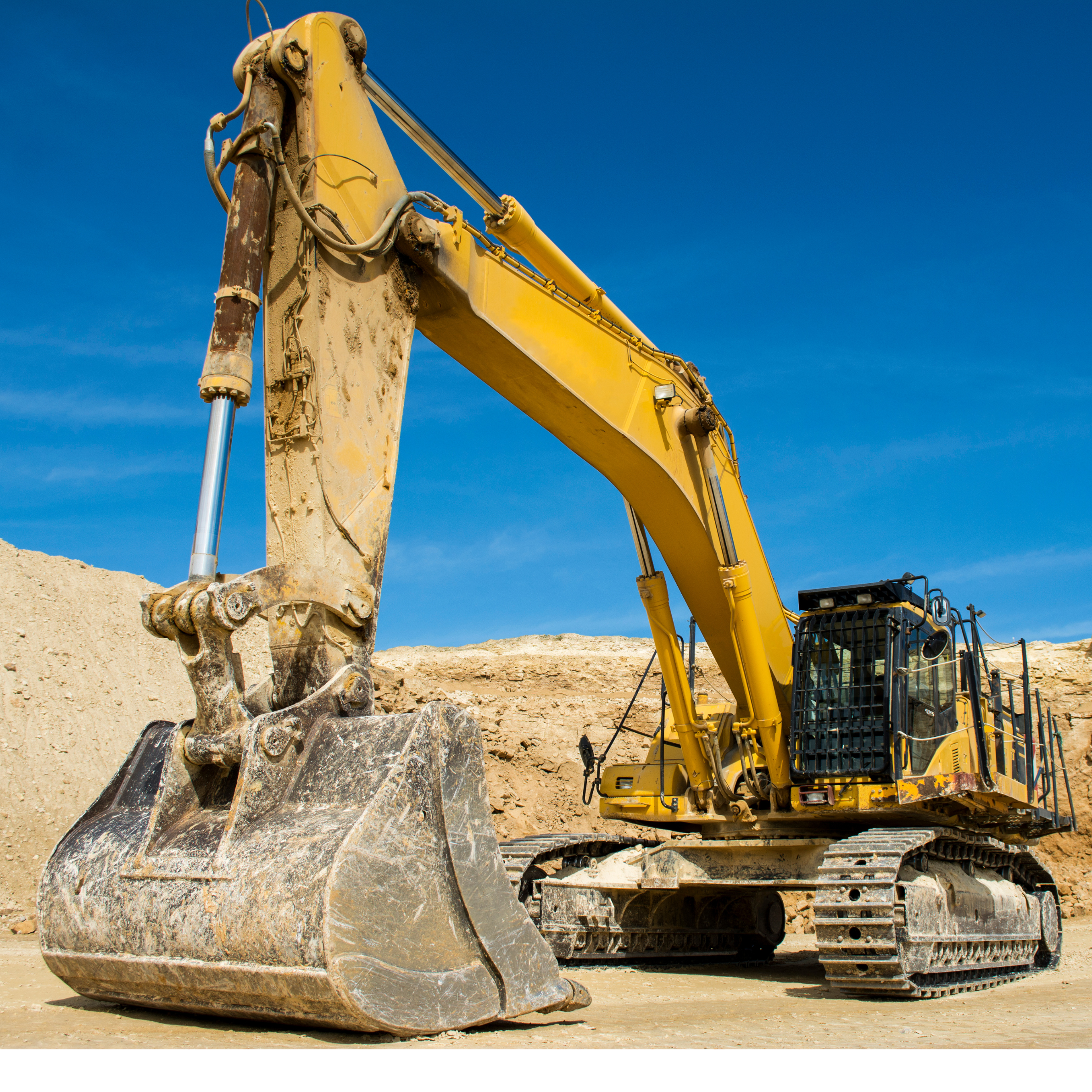
Excavator finance in Australia enables construction businesses to acquire earthmoving equipment through chattel mortgages, equipment loans, or finance leases. Current rates (2026) typically range from 5-9% p.a. (starting from 5.01% p.a. for quality applicants, indicative only, subject to individual circumstances), with loan amounts from $20,000 to $500,000+ for excavators ranging from compact 1.5-tonne mini excavators to 30-tonne+ machines. Terms usually span 3-7 years depending on machine size and usage. Tax benefits may include depreciation deductions and immediate GST credits for established businesses. Settlements possible within days for contractors with solid trading history and established equipment suppliers.
For construction businesses, civil contractors, and earthmoving operators, an excavator represents both a significant capital investment and an essential income-generating asset. Whether you’re a sole trader buying your first 5-tonne digger or an established contractor adding a 20-tonne machine to your fleet, excavator finance provides a tax-effective way to acquire equipment without depleting working capital.
📄 Navigation Guide
- → Why Finance an Excavator?
- → Excavator Finance Options
- → Common Excavators Financed
- → What Excavator Lenders Consider
- → Tax Considerations for Excavator Finance
- → Getting Excavator Finance Approved
- → New vs Used Excavators
- → Common Excavator Finance Mistakes
- → Excavator Finance Example
- → Compare Excavator Finance Options
Why Finance an Excavator?
Excavators typically cost between $30,000 for a compact mini excavator to $300,000+ for larger machines. Paying cash ties up funds you need for wages, fuel, maintenance, and other business expenses. Finance spreads this cost over the machine’s productive life while potentially providing tax advantages.
For many contractors, the additional work an excavator enables more than covers the repayments, making the finance essentially self-funding.
Excavator Finance Options
Chattel Mortgage
The most popular choice for excavator finance. You own the machine immediately, claim the full GST credit upfront (if registered), and may deduct depreciation and interest subject to your tax circumstances.
- Best for: Established earthmoving businesses wanting maximum tax benefits
- Typical terms: 3-7 years depending on machine size
- Indicative rates: 5.01-7.29% p.a. for strong applications (subject to individual circumstances)
Learn more about chattel mortgage structures.
Equipment Loan
A straightforward secured loan where you own the excavator from day one, with the lender holding security.
- Best for: Simple, transparent excavator purchases
- Typical terms: 3-7 years
- Indicative rates: 5-9% p.a. (rates vary by circumstances)
Finance Lease
The lender owns the excavator and you lease it. At term end, you can return it, upgrade to a newer model, or purchase at market value.
- Best for: Contractors wanting to upgrade equipment regularly or preferring consistent operating expenses
- Typical terms: 3-5 years
- Indicative rates: 6-10% p.a. (subject to assessment, may be slightly higher than other options)
For broader equipment finance guidance, see our equipment finance Australia guide.
📊 Indicative Lender Rates (March 2026)
Rates are indicative only and subject to credit approval, individual circumstances, and lender policies. Shop around for the best deal.
| Lender | Rate Range (p.a.) |
|---|---|
| NAB | 5.01-5.36%[1] |
| Liberty | 5.09-5.54%[1] |
| Macquarie | 5.24-7.29%[1] |
| Lend | From 6.99%[2] |
Rates subject to credit approval; check RBA for latest trends.[7]
Common Excavators Financed
Mini Excavators (1-6 tonnes):
- Compact urban excavators
- Landscaping and tight-access diggers
- Residential construction equipment
- Typical cost: $30,000-$120,000
Mid-Range Excavators (6-15 tonnes):
- General construction excavators
- Civil works machines
- Versatile multi-purpose diggers
- Typical cost: $120,000-$250,000
Large Excavators (15-30+ tonnes):
- Heavy civil construction
- Mining and quarry equipment
- Major earthmoving projects
- Typical cost: $250,000-$500,000+
For construction-specific financing options, explore our construction equipment finance guide.
What Excavator Lenders Consider
- Trading history: Most lenders prefer 12-24 months of business operation, though some specialists may consider newer businesses with strong industry experience.
- Credit history: Both business and personal credit scores matter, particularly for sole traders and smaller companies.
- Cash flow: Evidence you can service repayments even during quieter periods.
- Machine details: Brand, model, age, hours, and condition. Well-known brands (Caterpillar, Komatsu, Hitachi, Volvo, Kubota) typically receive better terms.
- Supplier credibility: Purchasing from established dealers usually streamlines approval compared to private sales.
- Business use: Clear evidence the excavator will be used for income-generating business activity.
Tax Considerations for Excavator Finance
Excavator finance may offer several tax benefits, subject to your individual circumstances:
- Depreciation deductions: Claim the decline in value over the machine’s effective life (typically 6.67-12.5 years depending on use intensity).
- Interest deductions: Deduct the interest portion of finance repayments.
- Immediate GST credit: Claim full GST input tax credit upfront with chattel mortgages (for GST-registered businesses).
- Instant asset write-off: May be available for eligible businesses under current ATO thresholds.
Important: Tax benefits vary significantly based on your business struct