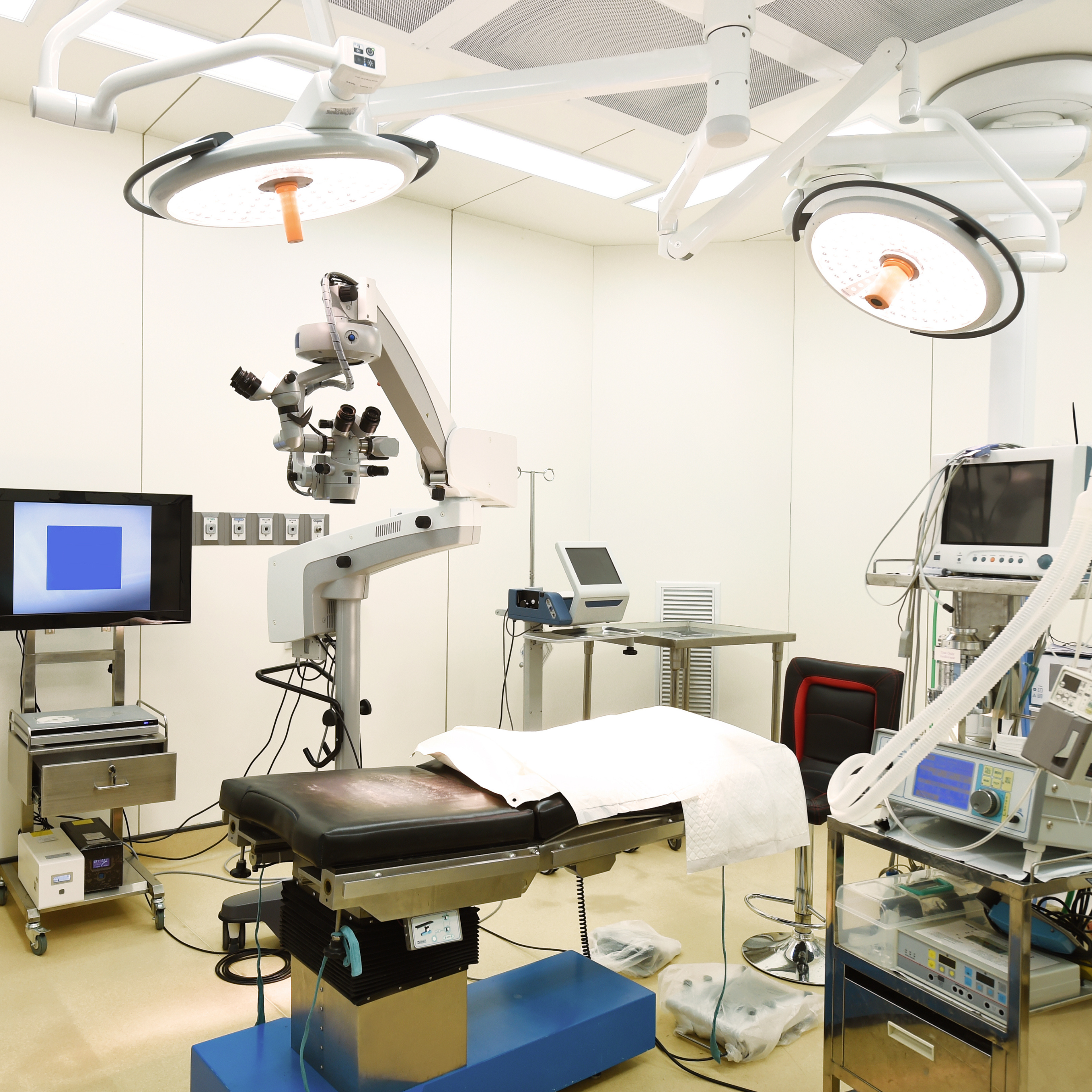
Medical equipment finance in Australia enables healthcare professionals to acquire essential equipment without large upfront costs. Rates vary significantly by lender, finance structure, security, and applicant profile; always compare personalised quotes for the most accurate figures. Loan sizes vary from small-ticket purchases to large multi-asset funding, with limits set by lender policy and borrower profile, and terms typically range from 2-7 years, subject to individual circumstances. Medical practitioners often qualify for competitive rates due to stable income profiles. Options include chattel mortgages for ownership, finance leases for flexibility, and equipment loans for straightforward purchases. Fast approvals and same-day or few-day settlements may be available for well-documented, lower-complexity deals. When financing equipment, security interests are commonly registered on the Personal Property Securities Register (PPSR), which provides transparency and protection for both lenders and borrowers in Australia.
Medical equipment represents one of the largest capital investments for healthcare professionals. Whether you’re a GP practice upgrading diagnostic equipment, a dental clinic expanding capacity, or a specialist purchasing advanced imaging technology, the price tags can run into hundreds of thousands of dollars.
The good news? Medical equipment finance is designed specifically for these situations, allowing you to acquire what you need while preserving working capital and ensuring tax treatment aligns with your specific finance structure and practice circumstances; readers should confirm with their accountant.
📄 Navigation Guide
- → Why Medical Professionals Use Equipment Finance
- → Common Medical Equipment Financed
- → Medical Equipment Finance Structures
- → What Medical Equipment Lenders Consider
- → Tax Considerations for Medical Practices
- → Structuring Medical Equipment Finance
- → Getting Medical Equipment Finance
- → Compare Medical Equipment Finance Options
Why Medical Professionals Use Equipment Finance
Healthcare practices face a unique challenge—equipment is essential for providing quality care, but it’s expensive and depreciates quickly as technology advances. Paying cash ties up funds that could be used for staffing, marketing, or building emergency reserves.
Equipment finance spreads these costs over time, turning a six-figure capital expense into manageable monthly payments. For many practices, the additional revenue generated by new equipment covers the repayments, making the investment self-funding.
Common Medical Equipment Financed
Healthcare professionals typically finance:
General Practice:
- Ultrasound machines
- ECG equipment
- Spirometers
- Practice management systems
- Minor surgery equipment
Dental Practices:
- Digital X-ray systems
- Dental chairs and units
- Sterilisation equipment
- CAD/CAM systems
- Cone beam CT scanners
Specialist Practices:
- MRI and CT scanners
- Surgical equipment
- Laser systems
- Endoscopy equipment
- Diagnostic imaging tools
Allied Health:
- Physiotherapy equipment
- Exercise and rehabilitation gear
- Podiatry equipment
- Optical testing equipment
Note TGA’s phased UDI requirements starting July 2026 for Class III/IIb devices (e.g., advanced imaging), requiring sponsors to submit data which may impact pricing.
Medical Equipment Finance Structures
Chattel Mortgage
Most popular for medical practices. You own the equipment immediately, claim the GST input tax credit upfront (if registered), and may deduct depreciation and interest subject to your tax circumstances.
- Typical terms: 3-7 years
- Best for: Established practices wanting tax benefits and long-term ownership
Explore chattel mortgage options for medical equipment.
Finance Lease
The lender owns the equipment during the lease term. You make regular payments and can upgrade at the end, purchase at market value, or return the equipment.
- Typical terms: 3-5 years
- Best for: Practices that upgrade technology frequently or prefer consistent expenses
Equipment Loan
A straightforward secured loan where you own the equipment from day one, with the lender holding security.
- Typical terms: 2-7 years
- Best for: Simple purchases of standard equipment with established suppliers
For detailed information on equipment loan structures, see our equipment loans Australia guide.
What Medical Equipment Lenders Consider
Medical professionals often receive favourable consideration because:
- Healthcare practices typically have stable, predictable income
- Professional qualifications reduce business risk
- Medical equipment has clear resale value
- The profession has low default rates historically
Key factors lenders assess:
- Practice trading history (usually 12-24 months minimum)
- Personal and business credit history
- Current debt levels and serviceability
- Equipment supplier credibility
- Practice structure (sole practitioner, partnership, company)
Tax Considerations for Medical Practices
Tax treatment depends on the finance structure chosen and the practice’s specific circumstances. While equipment finance can offer several potential tax benefits, these are not universal and require individual assessment:
- Depreciation deductions on owned equipment
- Interest payment deductions
- Lease payment deductions (for finance leases)
- Potential instant asset write-off eligibility (check current thresholds)
Important: Tax treatment and benefits vary significantly based on your practice structure, income level, and specific circumstances. Always consult your accountant before making financing decisions.
Structuring Medical Equipment Finance
For new practices (less than 2 years trading):
- May require personal guarantees or security
- Focus on demonstrating qualifications and experience
- Consider starting with smaller equipment purchases
- Build lending relationships progressively
For established practices:
- Acc