By the Loan Phone team Reviewed by Anthony Moncada, M.App.Fin, Cert IV Finance & Mortgage Broking
Quick Answer
Commercial vehicle finance allows Australian businesses to acquire work vehicles including utes, vans, trucks, and commercial cars without depleting working capital. Rates typically range from 6-11% p.a. in 2025 (indicative only), with loan amounts from $10,000-$500,000+ over 1-7 year terms. Most lenders require vehicles be used primarily (51%+) for business purposes, current ABN/GST registration, and minimum 12 months trading history (though specialist lenders may consider newer businesses). Modern comparison platforms can provide fast assessment, with settlements possible within 24-48 hours for straightforward applications (subject to lender and circumstances). Vehicles serve as loan security, often allowing 100% financing including GST.
| Vehicle Type | Typical Price Range | Common Loan Term | Indicative Rate Range |
|---|---|---|---|
| Work Utes (HiLux, Ranger) | $40,000-$80,000 | 3-5 years | 6-9% p.a. |
| Commercial Vans | $35,000-$70,000 | 3-5 years | 6-9% p.a. |
| Light Trucks (under 4.5T) | $50,000-$150,000 | 5-7 years | 7-10% p.a. |
| Heavy Trucks (over 4.5T) | $100,000-$300,000+ | 5-7 years | 8-12% p.a. |
Rates are indicative examples only. Actual rates depend on individual circumstances and lender assessment.
What is Commercial Vehicle Finance?
Commercial vehicle finance (also called business vehicle loans or chattel mortgages for vehicles) provides businesses with funding to purchase work vehicles without paying the full amount upfront. The vehicle itself serves as security for the loan, typically resulting in more competitive rates compared to unsecured business finance.
This financing structure preserves working capital while enabling businesses to acquire vehicles essential for operations, whether single vehicles for sole traders or entire fleets for established companies. Unlike personal car loans, commercial vehicle finance offers specific tax benefits and structures designed for business use.
Business Use Requirements
To qualify for commercial vehicle finance, the vehicle must be used primarily (more than 51% of the time) for business purposes. This includes:
- Sole traders and tradies: Utes, vans, and trucks used for traveling to job sites, transporting tools, materials, or equipment
- Service businesses: Vehicles for client visits, deliveries, or field service operations
- Transport businesses: Trucks, vans, and commercial vehicles for freight, courier, or logistics operations
- Construction businesses: Work vehicles for site access, equipment transport, and crew movement
Vehicles used predominantly for personal purposes don’t qualify for commercial finance and require standard personal car loans instead.
Navigation Guide
Types of Commercial Vehicles Financed
Australian commercial vehicle finance covers the full spectrum of business vehicles across all industries.
Work Utes and Pickup Trucks
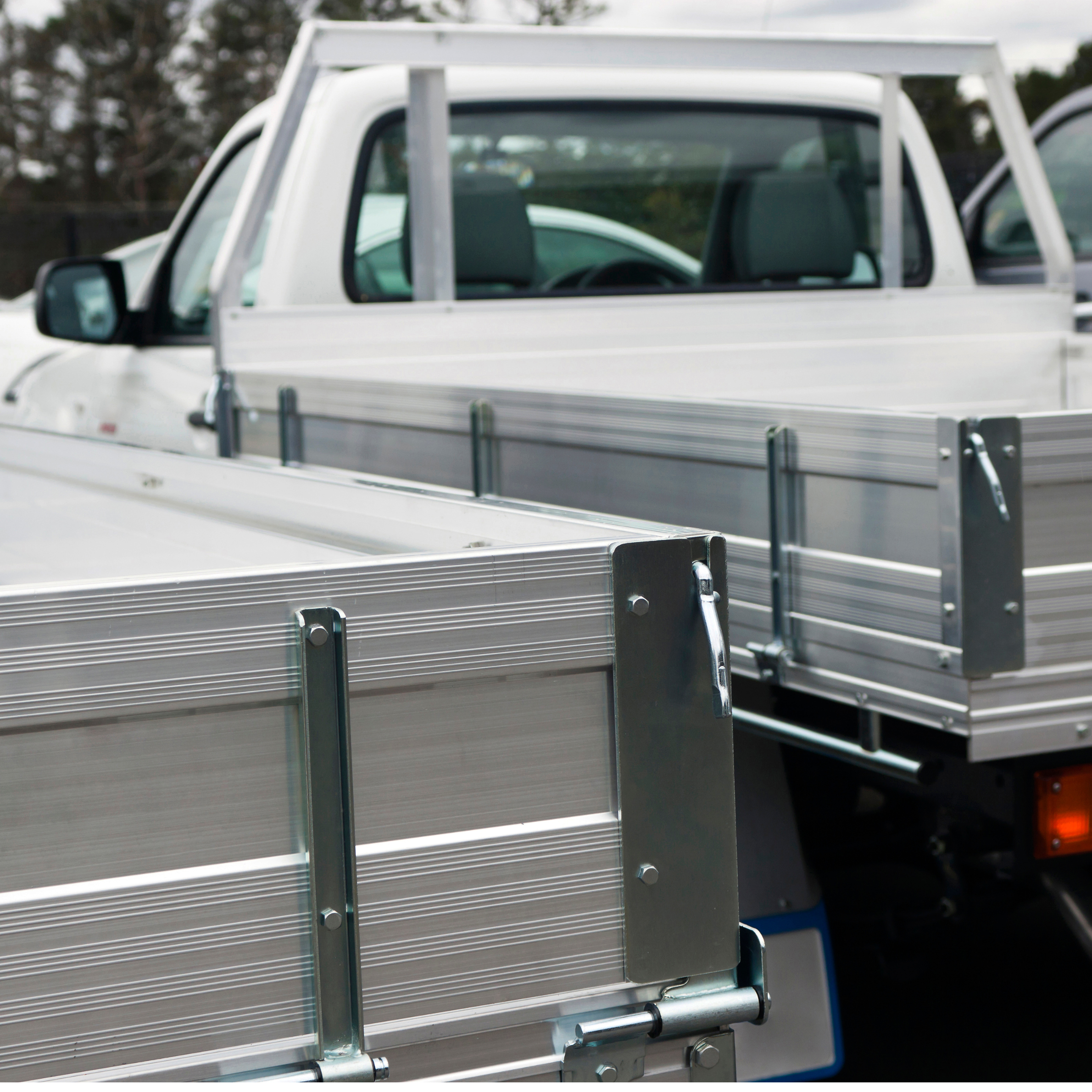
Single and dual-cab utes including Toyota HiLux, Ford Ranger, Isuzu D-MAX, Mitsubishi Triton, and other popular work vehicles. These $40,000-$80,000 vehicles typically attract 3-5 year loan terms with competitive 6-9% p.a. rates for established businesses.
Utes remain Australia’s most popular commercial vehicle category, with strong resale markets making them attractive security for lenders. See our guide on truck finance Australia for detailed information.
Commercial Vans
Cargo vans including Toyota HiAce, Mercedes-Benz Sprinter, Volkswagen Transporter, Ford Transit, and other commercial vans used for trades, deliveries, and transport. Vans typically range $35,000-$70,000 with similar terms and rates to work utes.
Light Trucks (Under 4.5 Tonnes)
Cab chassis, tray trucks, tipper trucks, and refrigerated vehicles under 4.5 tonnes GVM. These $50,000-$150,000 vehicles suit businesses requiring more payload capacity than utes offer, with 5-7 year terms typical given their commercial durability.
Heavy Commercial Vehicles
Trucks over 4.5 tonnes including rigid trucks, prime movers, semi-trailers, and specialized heavy vehicles for transport, construction, and logistics operations. High-value equipment ($100,000-$300,000+) typically attracts 5-7 year terms with rates 8-12% p.a. depending on business strength and equipment type.
Passenger Vehicles
Business sedans, SUVs, and people movers used for client transport, sales operations, or executive purposes. While less common than work vehicles, passenger vehicles qualify for commercial finance when used primarily for business purposes.
Commercial Vehicle Finance Structures
Australian businesses can choose from several financing structures, each with distinct ownership, tax, and cash flow implications.
Chattel Mortgage (Most Common)
The most popular structure where your business borrows funds to purchase the vehicle outright. You own the vehicle from day one with the lender holding security interest registered via the Personal Property Securities Register (PPSR).
Key features:
- Immediate ownership and control over vehicle use
- Can claim depreciation deductions plus interest deductions
- Typically offers lowest total cost compared to other structures
- Balloon payments available to reduce monthly repayments
- Suitable for vehicles intended for long-term business use
See our comprehensive chattel mortgage Australia guide for detailed information on this structure.
Finance Lease
The lender purchases the vehicle and leases it to your business for an agreed term. You don’t own the vehicle during the lease period, though purchase options typically exist at term end.
Key features:
- Lower monthly payments compared to chattel mortgages
- Lease payments fully tax-deductible
- Cannot claim depreciation (lender owns vehicle during lease)
- Flexibility to upgrade vehicles at term end
- Suitable for businesses preferring regular vehicle upgrades
Hire Purchase
Gradual ownership structure where you “hire” the vehicle through regular payments, with ownership transferring after final payment. Combines aspects of leasing with eventual ownership.
Key features:
- Lower initial cash requirements than chattel mortgages
- Can claim depreciation once ownership transfers
- Commitment to eventual ownership
- Suitable for businesses wanting ownership without immediate capital outlay
Novated Lease
Arrangement between employer, employee, and lender where the vehicle is leased to an employee with repayments deducted from pre-tax salary. Primarily used for employee benefits rather than business vehicles.
Rates and Costs
Commercial vehicle finance costs extend beyond nominal interest rates to include various fees impacting total borrowing costs.
Interest Rates
In 2025, Australian commercial vehicle finance rates typically range from 6% p.a. for prime business borrowers with strong trading history purchasing new vehicles under 4.5 tonnes, to 12%+ p.a. for higher-risk profiles, older vehicles, or heavy commercial equipment.
Factors affecting your rate include:
- Vehicle age and type: New vehicles attract lower rates (6-8% p.a.) than used vehicles (7-10% p.a.). Light commercial vehicles under 4.5 tonnes typically receive better rates than heavy trucks.
- Business strength: Established businesses with 2+ years trading and strong financials access better rates than newer businesses or those with limited trading history.
- Loan amount and term: Larger loans over longer terms may attract different pricing structures than smaller short-term facilities.
- Credit history: Clean business and director credit histories attract lower rates, while previous defaults or credit issues increase rates or require specialist lenders.
Fees and Charges
- Application/establishment fees: One-time fees for processing your application, typically $300-$1,200 depending on loan size.
- Monthly account keeping: Ongoing administrative charges, typically $10-$30 per month.
- Early repayment fees: Penalties for paying out loans before term end, particularly for fixed-rate facilities. These can be substantial (thousands of dollars for large loans).
- PPSR registration: Costs for registering and removing security interests, typically $50-$150.
Always compare total cost including all fees, not just advertised interest rates, when evaluating lenders.
Tax Benefits for Business Vehicles
Commercial vehicle finance offers significant tax advantages under Australian tax law, though specific benefits depend on your business structure.
Depreciation Deductions
When you own vehicles through chattel mortgage or hire purchase structures, your business can claim depreciation deductions based on the vehicle’s effective life. Commercial vehicles typically depreciate over 5-8 years for tax purposes.
High-value vehicles may qualify for instant asset write-off provisions, allowing immediate deduction of the full purchase price (subject to eligibility thresholds and current legislation). Check the ATO’s depreciation guidelines for current thresholds and vehicle categories.
Interest Deductions
Interest portions of commercial vehicle loan repayments are typically tax-deductible as business expenses, reducing your taxable income.
GST Claims
Businesses registered for GST can claim input tax credits on the GST component of vehicle purchases, improving upfront cash flow by recovering the 10% GST component in your next business activity statement.
Running Costs
All business-related vehicle running costs including fuel, maintenance, insurance, and registration are typically tax-deductible when the vehicle is used for business purposes.
Important: Tax benefits depend entirely on your specific business structure, tax position, and how you use the vehicle. This information does not constitute tax advice. Always seek independent advice from a qualified tax professional or accountant before making financing decisions.
Eligibility Requirements
Most lenders apply similar baseline criteria for commercial vehicle finance, though specific requirements vary by lender and vehicle type.
Standard Requirements
- Business registration: Current ABN and GST registration (GST registration enables claiming input tax credits on vehicle purchases).
- Trading history: Most traditional lenders require minimum 12 months trading history. Specialist lenders may consider newer businesses (6+ months) with strong applications, work contracts, or experienced owners.
- Business use verification: Evidence the vehicle will be used primarily (51%+) for business purposes, such as business nature documentation or work contracts.
- Financial capacity: Demonstrated ability to service loan repayments based on business revenue, expenses, and existing debt commitments.
- Credit history: Business and director credit histories are assessed. While perfect credit isn’t required, significant defaults or payment issues may require specialist lenders.
- Vehicle specifications: The vehicle must be suitable for business purposes with clear identification (VIN) for PPSR registration.
Eligibility criteria may vary by industry—specific requirements vary by loan amount, vehicle type, and industry.
Documentation Requirements
- Business financials: Recent financial statements or tax returns (typically last 2 years), business activity statements, bank statements.
- Vehicle details: Supplier quotes or sale contracts clearly showing vehicle specifications, pricing (including GST), and delivery timeframes.
- Business verification: Current ABN/ACN certificates, GST registration confirmation, evidence of ongoing business operations.
- Director information: Director identification, residential addresses, consent for credit checks.
For businesses with limited documentation, explore ABN finance options designed for self-employed and newer businesses.
Application Process
Modern commercial vehicle applications can be completed efficiently through streamlined digital processes.
Step-by-Step Process
- Vehicle selection: Identify your business vehicle requirements and obtain supplier quotes or locate vehicles through dealers or private sales.
- Finance comparison: Research lenders or engage brokers to access multiple options. Modern comparison platforms provide access to 100+ lenders efficiently.
- Application submission: Complete application forms with accurate business and financial information. Incomplete applications delay processing.
- Documentation provision: Provide required documentation promptly. Lenders typically request additional information during assessment—quick responses accelerate approval.
- Credit assessment: Initial credit decisions for straightforward applications may be available within 24-48 hours, though complex applications require longer assessment periods.
- Approval and documentation: Review loan documentation carefully including rates, fees, repayment schedules, balloon payments (if applicable), and any conditions.
- Settlement: After signing documentation, lenders typically pay suppliers directly (dealer sales) or provide funds for private sales after verification. You receive the vehicle and begin repayments.
Choosing the Right Vehicle Finance
Selecting appropriate commercial vehicle finance requires evaluating multiple factors beyond interest rates.
Consider Your Business Circumstances
- Vehicle usage patterns: Long-term use (5+ years) typically favors chattel mortgages for lower total costs. Shorter-term needs or regular upgrades may suit lease structures.
- Cash flow priorities: Minimizing monthly repayments suggests balloon payments or lease structures. Minimizing total cost favors shorter terms with higher monthly repayments.
- Tax position: Businesses with strong profitability maximize value from depreciation deductions under ownership structures. Those preferring simpler tax treatment may favor lease payment deductions.
- Vehicle upgrade frequency: Tradies and businesses requiring current vehicle models suit lease structures with easy upgrade paths at term end.
Compare Multiple Lenders
Rate differences of 1-2% can translate to thousands of dollars over loan terms, making comparison worthwhile. Consider:
- Interest rates and comparison rates (including all fees)
- Establishment and ongoing fees
- Balloon payment flexibility
- Early repayment terms
- Lender reputation and service quality
For detailed lender comparison, see our chattel mortgage lenders comparison guide.
Frequently Asked Questions
Can I finance used commercial vehicles? Yes, most lenders finance both new and used commercial vehicles. Used vehicles typically attract slightly higher rates (0.5-2% p.a.) and may have age restrictions (typically vehicles up to 12-15 years old at loan end). Lenders assess condition, mileage, and remaining useful life.
Do I need a deposit? Many lenders offer 100% financing for commercial vehicles, requiring no upfront deposit. Some may request 10-20% deposits for used vehicles, higher-risk applications, or heavy commercial vehicles. Providing a deposit typically improves rates and approval likelihood.
How long does approval take? Straightforward applications with complete documentation may receive decisions within 24-48 hours. Complex applications, unusual vehicles, or additional verification requirements may take 3-5 business days. Private vehicle sales typically require longer than dealer purchases due to additional title verification.
Can I include vehicle fit-out costs in the loan? Yes, many lenders include reasonable fit-out costs (toolboxes, canopies, refrigeration units, signage) in the loan amount, provided they’re installed before settlement and add value to the vehicle. Excessive personalization may not be included.
What happens if I sell my business? The loan remains your responsibility. If selling your business including the vehicle, the buyer can either assume the loan (with lender approval) or you pay out the loan from sale proceeds. Early exit fees may apply for fixed-rate loans.
Speak with Specialists
Need expert guidance on your commercial vehicle finance application? Email: loans@loanphone.com.au Website: www.loanphone.com.au
Related Resources
Explore these related guides for business owners and ABN holders:
Disclaimer: This article provides general information only and should not be relied upon as financial or tax advice. Rates, terms, and eligibility vary by lender and individual circumstances. Tax benefits are subject to your specific business structure and circumstances. Always seek independent professional advice from a qualified accountant and financial adviser before making financing decisions.
Loan Phone www.loanphone.com.au | loans@loanphone.com.au
Compare Loans Now - No impact to your credit score
Last updated: 2025-11-12