Quick Answer
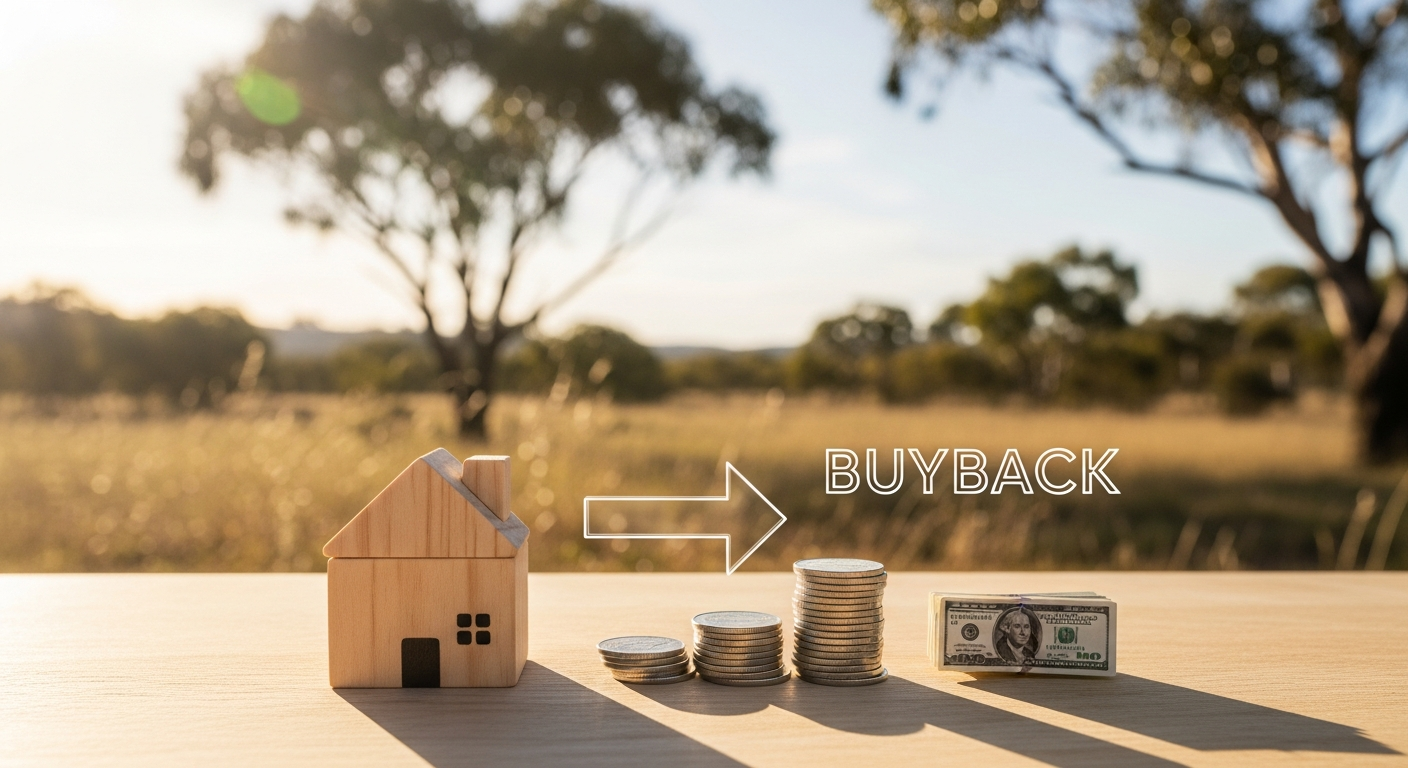
Understanding buyback loans, residual values, and balloon payments is crucial for Australian businesses comparing equipment finance options. A buyback loan is an agreement where a lender or third party guarantees to purchase the asset at a predetermined price at the end of the loan term. A residual value is the estimated future value of an asset at the end of a finance lease, which the lessee may pay to own the asset or return it. A balloon payment is a lump sum owed at the end of a chattel mortgage or commercial hire purchase, reducing regular repayments. All three aim to lower periodic costs but differ significantly in ownership, risk, and tax implications, which can be explored via comparison platforms like Loan Phone.
| Feature | Buyback Loan (Agreement) | Residual Value (Finance Lease) | Balloon Payment (Chattel Mortgage/CHP) |
|---|---|---|---|
| Ownership | Borrower owns, third party guarantees buyback | Lender owns, borrower has option to buy | Borrower owns asset from start |
| End of Term | Guaranteed sale to third party | Option to buy, refinance, or return | Lump sum repayment (refinance or pay) |
| Risk to Borrower | Lower residual value risk | Moderate (market value vs. residual) | Higher (market value vs. balloon) |
| Tax Treatment | Varies by underlying finance | Lease payments deductible (seek advice) | Depreciation & GST credits (seek advice) |
| Common Lenders | Specialist financiers, some non-banks | Major banks (CBA, NAB, Westpac), non-banks | Major banks, non-banks (Pepper, Liberty) |
Rates are indicative examples only. Actual rates depend on individual circumstances and lender assessment.
📄 Navigation Guide
By the Loan Phone team · Reviewed by Anthony Moncada, M.App.Fin, Cert IV Finance & Mortgage Broking, Director
Introduction: Navigating Equipment Finance End-of-Term Options
For Australian business owners, acquiring essential equipment often involves complex financing decisions. Beyond securing competitive interest rates and flexible terms, understanding what happens at the end of a loan agreement is paramount. Concepts like buyback loans, residual values, and balloon payments are frequently discussed, yet their distinctions can be confusing. Each option impacts your cash flow, ownership rights, and tax position differently. To explore a wider range of possibilities, consider checking our comprehensive asset finance options.
This guide will demystify these three common end-of-term arrangements, outlining their core mechanics, pros and cons, and how they typically apply within the Australian lending landscape. By clarifying these differences, Loan Phone aims to empower you to make more informed financing choices for your business’s future, helping you navigate the world of equipment finance effectively.
What is a Buyback Loan?
A buyback loan is a finance arrangement where a third party—often the equipment supplier or a specific finance provider—agrees to purchase the asset back from you at a pre-determined price at the end of the loan term. This effectively provides a guaranteed future value for your equipment.
The key benefit of a buyback agreement is the certainty it offers. Businesses know exactly what their asset will be worth at the end of the finance period, reducing the risk associated with market depreciation. This structure is less common than residual or balloon payments but can be offered by specialist equipment financiers or as part of a vendor finance package. For example, a heavy machinery supplier might offer a buyback agreement to encourage sales, guaranteeing the buyback of an excavator at 40% of its original value after 3 years. While similar to some aspects of asset loans, the guaranteed buyback is a distinct feature.
What is a Residual Value?
A residual value is typically associated with a finance lease. In a finance lease, the lender (lessor) retains ownership of the equipment throughout the lease term, and the business (lessee) makes regular lease payments. At the end of the lease, the residual value is the estimated lump sum payment required to purchase the asset from the lender.
Crucially, with a finance lease’s residual value, the business has several options at the end of the term:
1. Pay the residual value
and take ownership of the asset.
2. Refinance the residual value into a new loan.
3. Return the equipment to the lender.
4. Trade in the equipment
and upgrade to a new asset.
The residual value is often set by the lender based on the asset’s expected depreciation and market value, and it significantly influences the periodic lease payments – a higher residual value means lower regular payments. Major banks like Commonwealth Bank (CBA) and National Australia Bank (NAB) often structure finance leases with residual values for business clients. Learn more about various asset finance options through Loan Phone’s Asset Finance Australia Guide. For a closer look at differences, explore Chattel Mortgage vs. Lease in Australia.
What is a Balloon Payment?
A balloon payment is a common feature of secured loan structures like a chattel mortgage or commercial hire purchase (CHP). Unlike a residual value in a lease, the business owns the equipment from the outset of a chattel mortgage or CHP. The balloon payment is a portion of the original loan amount deferred to the very end of the loan term, resulting in lower regular repayments throughout the loan period.
At the end of the term, the business is responsible for paying this final lump sum. Options to manage a balloon payment include:
1. Paying the balloon amount
in full.
2. Refinancing the balloon payment into a new loan.
3. Selling or trading in the asset
to cover the balloon payment.
For example, a business financing a delivery van with a chattel mortgage might choose a 25% balloon payment on a $60,000 loan over 5 years. This means $15,000 would be due at the end of the term, significantly reducing the 60 monthly repayments. This structure is widely available from major banks like Westpac and ANZ, as well as specialist non-bank lenders such as Pepper Money and Liberty Finance. Discover more about this popular structure in our Chattel Mortgage Guide. You can also learn more about how equipment finance works in Australia.
Key Differentiators: Ownership, Risk, and Tax
The fundamental differences between buyback loans, residual values, and balloon payments boil down to three core areas:
Ownership
- Buyback Loan (underlying Chattel Mortgage/CHP): The business owns the asset from day one, with a third-party agreement for repurchase.
- Residual Value (Finance Lease): The lender legally owns the asset throughout the lease term. Ownership typically transfers to the business only if the residual is paid.
- Balloon Payment (Chattel Mortgage/CHP): The business owns the asset from the start of the loan. For a deeper dive into these structures, consider our comparison of Hire Purchase vs. Chattel Mortgage.
Risk
- Buyback Loan: The market value risk for the asset at the end of the term is largely mitigated for the borrower due to the guaranteed buyback price.
- Residual Value: The business bears the risk if the asset’s market value at the end of the lease is significantly lower than the agreed residual value, making it less attractive to purchase.
- Balloon Payment: The business bears the full risk that the asset’s market value at the end of the term may not be sufficient to cover the balloon payment if they choose to sell it.
Tax Implications
- Buyback Loan: Tax treatment follows the underlying finance product (e.g., chattel mortgage), typically allowing for depreciation and GST input tax credits upfront.
- Residual Value (Finance Lease): Lease payments are generally tax-deductible as an operating expense. GST is usually paid on each lease payment.
- Balloon Payment (Chattel Mortgage/CHP): The business can typically claim GST input tax credits upfront and depreciate the asset over its effective life, subject to ATO guidelines. You can learn more about chattel mortgage tax benefits for your business.
Important: Tax benefits depend entirely on your individual business structure, circumstances, and how you use the asset. The information above is general in nature only. Always seek independent advice from a qualified tax professional or accountant before making any financing decisions.
How Loan Phone Helps You Compare
Navigating the nuances of buyback loans, residual values, and balloon payments can be complex. Each option has specific benefits and drawbacks depending on your business’s cash flow, tax strategy, and future plans for the equipment.
Loan Phone combines a streamlined online comparison platform with specialist broker expertise to simplify this process. Our technology-driven approach allows you to:
- Compare options from 100+ lenders: Access a wide range of finance products, including those with residual values and balloon payments, from major banks and specialist non-bank lenders like Prospa and Lumi.
- Understand the full picture: We help you evaluate not just the interest rate, but also the impact of end-of-term options on your total cost and cash flow.
- Access expert guidance: Our specialist brokers can guide you through complex scenarios, including those involving unique buyback agreements, ensuring you choose the structure that best fits your business goals. For more insights on how we compare, check out our guide on best equipment finance lenders in Australia.
By using a modern comparison platform, you can secure personalised options and make an informed decision much quicker than applying directly to individual banks.
Frequently Asked Questions
What is the main difference between a residual value and a balloon payment? +
The main difference lies in ownership and the underlying finance product. A residual value is for a finance lease where the lender owns the asset, and you have an option to buy it at the end. A balloon payment is for a chattel mortgage or commercial hire purchase where you own the asset, and the balloon is a mandatory lump sum repayment at the end of the term.
Are buyback loans common in Australia? +
Buyback loans are less common than standard finance leases with residual values or chattel mortgages with balloon payments. They are typically offered by specific equipment suppliers or specialist financiers as a way to provide certainty on an asset's future value.
Can I refinance a balloon payment? +
Yes, it is common for businesses to refinance a balloon payment into a new loan if they wish to retain the asset but don't want to pay the lump sum upfront. This allows them to continue using the equipment while spreading the final cost over a new term. Loan Phone can help you refinance existing loans.
Which option is best for my business? +
The "best" option depends entirely on your business's specific needs, cash flow, tax strategy, and plans for the equipment. Consider whether you prefer outright ownership, need the flexibility of returning an asset, or want to manage future asset values. Comparing options with a specialist broker can help you determine the most suitable structure. Our comparison tool can assist.
Do all lenders offer all three options? +
No, not all lenders offer all three. Most major banks (CBA, NAB, Westpac) and non-bank lenders (Pepper, Liberty) commonly offer chattel mortgages and commercial hire purchase with balloon payments, and finance leases with residual values. Buyback agreements are more niche and typically offered by specialist equipment financiers or directly by equipment vendors.
Speak with Specialists
Need expert guidance on your equipment finance application? Email: loans@loanphone.com.au Website: www.loanphone.com.au
Related Resources
Explore these related guides for business owners and ABN holders:
Disclaimer: This article provides general information only and should not be relied upon as financial or tax advice. Rates, terms, and eligibility vary by lender and individual circumstances. Tax benefits are subject to your specific business structure and circumstances. Always seek independent professional advice from a qualified accountant and financial adviser before making financing decisions.
Loan Phone www.loanphone.com.au | loans@loanphone.com.au
Compare Loans Now - No impact to your credit score
Last updated: 2026-10-11