Quick Answer
Concrete equipment finance provides Australian businesses with a range of tailored solutions to acquire essential machinery like concrete pumps, mixers, batching plants, and excavators without upfront capital expenditure. Rates typically range from 7-12% p.a. in 2026 (indicative only) depending on business age, financial strength, and asset type. Loan amounts from $5,000-$5,000,000+ cover a wide range of new or used assets over 1-7 year terms. Most lenders require a valid ABN and demonstrated capacity to repay. Modern comparison platforms can provide efficient assessment, with settlements possible within 24-48 hours for straightforward applications (subject to lender and circumstances). Structures like chattel mortgages and commercial hire purchase offer immediate equipment use and potential tax benefits.
| Business/Borrower Profile | Indicative Rate | Typical Term | Common Equipment Financed |
|---|---|---|---|
| Established (2+ years, strong financials) | 6.5-9% p.a. | 3-5 years | Concrete pumps, batching plants |
| Standard (1-2 years trading) | 9-12% p.a. | 1-5 years | Concrete mixers, excavators |
| Developing/Newer (less than 1 year) | 12-14%+ p.a. | 1-3 years | Smaller mixers, basic tools |
Rates are indicative examples only. Actual rates depend on individual circumstances and lender assessment.
📄 Navigation Guide
By the Loan Phone team · Reviewed by Anthony Moncada, M.App.Fin, Cert IV Finance & Mortgage Broking, Director
Powering Your Projects: Understanding Concrete Equipment Finance
For any concrete business in Australia, from residential slab layers to large-scale infrastructure contractors, having reliable, up-to-date equipment is non-negotiable. Whether it’s a high-capacity concrete pump, a versatile mixer, or heavy-duty excavators, these assets are the backbone of your operations. However, the significant upfront cost can strain cash flow. This is where concrete equipment finance becomes a crucial tool, allowing businesses to acquire the machinery they need to grow without depleting working capital.
Modern comparison platforms, like Loan Phone, connect businesses with over 100 lenders, offering a streamlined path to compare various financing options for new or used concrete equipment. This approach ensures you find competitive rates and terms tailored to your specific business profile and asset requirements. For comprehensive insights into funding your assets, explore our Asset Finance page.
Common Concrete Equipment You Can Finance
The scope of equipment that can be financed is broad, covering virtually any asset essential to a concrete business. This includes:
1. Concrete Pumps Boom pumps, line pumps, trailer pumps, shotcrete pumps are vital for efficient concrete placement.
2. Concrete Mixers Truck-mounted mixers, portable mixers, batching plants ensure consistent and ready-mixed concrete.
3. Excavators & Loaders For site preparation, material handling, and demolition. Learn more about excavator finance in Australia.
4. Compaction Equipment Rollers and plate compactors are essential for preparing stable foundations.
5. Finishing Equipment Power trowels, screeds, and vibrators are crucial for achieving smooth, durable concrete surfaces.
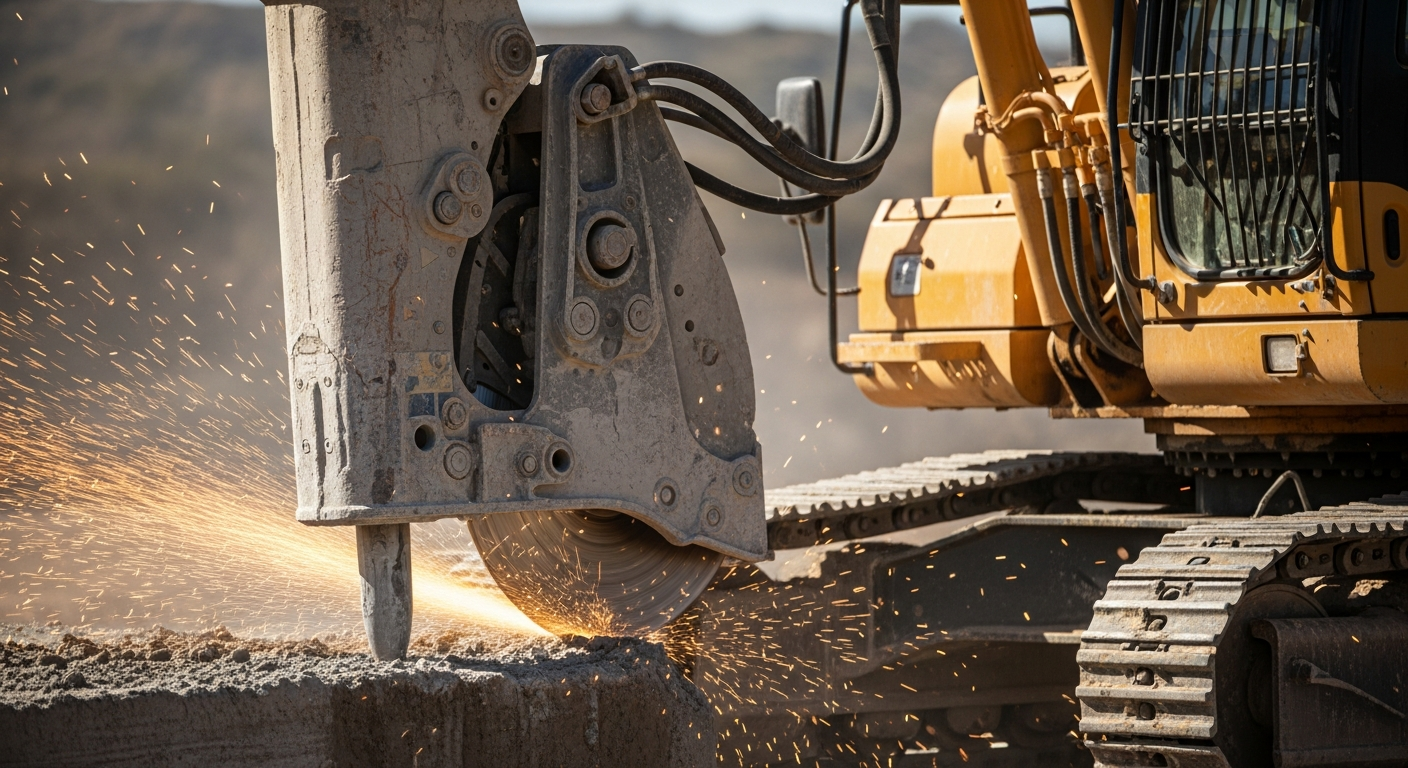
6. Specialised Tools Diamond saws, grinders, and core drills provide precision for detailed work.
7. Commercial Vehicles Tipper trucks and delivery trucks are necessary for transporting materials and equipment to and from job sites. Consider dedicated truck loans for these vehicles.
Popular Concrete Equipment Finance Options
When financing concrete equipment in Australia, businesses typically choose from a few key structures, each offering distinct advantages:
1. Chattel Mortgage
A chattel mortgage is a popular choice for many Australian businesses. Under this structure, your business owns the concrete equipment from day one, while the lender secures the loan against the asset. This often allows businesses to claim the full GST input tax credit upfront (if registered for GST on an accruals basis) and depreciate the asset for tax purposes. Learn more about the flexibility of a Chattel Mortgage Guide. For a deeper understanding of its tax benefits, see our guide on chattel mortgage tax benefits.
2. Commercial Hire Purchase (CHP)
With a Commercial Hire Purchase, the lender retains ownership of the concrete equipment during the loan term, and your business has the option to purchase it for a nominal fee at the end of the agreement. This option can also offer tax benefits, typically through depreciation and interest deductions, though the timing may differ from a chattel mortgage. You can compare hire purchase vs. chattel mortgage to see which suits you best.
3. Equipment Loan / Asset Finance
Often used interchangeably with chattel mortgage, an equipment loan (or asset finance) provides funds specifically for purchasing business assets. The loan is secured by the equipment itself, offering competitive rates. Both new and used concrete equipment can be financed through this method, enabling businesses to manage cash flow effectively. Explore comprehensive Equipment Finance Australia options.
Eligibility Criteria for Concrete Equipment Finance
While specific requirements vary between lenders and depend on the loan amount, typical eligibility criteria for concrete equipment finance in Australia include:
-
ABN: A valid Australian Business Number is fundamental. Learn more about ABN loans in Australia.
-
Trading History: Most traditional lenders prefer at least 12-24 months of trading history, though specialist lenders may consider newer businesses with strong business plans or offer low-doc equipment finance.
-
Financials: Demonstrated capacity to repay the loan, often shown through recent bank statements, profit & loss statements, and balance sheets.
-
Asset Use: The equipment must be primarily for business use (typically 51% or more).
-
Credit History: A reasonable credit history is preferred, though some specialist lenders can assist with adverse credit. If you have concerns, consider ways to improve your credit score.
Eligibility criteria are guidelines only. If you’re unsure about your specific situation, speaking with a specialist broker can help you understand your options and find suitable lenders.
Example: Financing a Concrete Pump
Concrete Pump Finance Calculation
| Purchase Price | $120,000 |
| Deposit | $0 |
| Amount Financed | $120,000 |
| Indicative Interest Rate | 8.95% p.a. |
| Term | 5 years (60 months) |
| Balloon Payment | $18,000 (15%) |
| Indicative Monthly Repayment | ~$2,250 |
| Total Cost Over 5 Years (excluding balloon) | ~$135,000 |
This example is for illustrative purposes only. Actual rates, terms, and repayments depend on lender assessment, your individual circumstances, and current market conditions. Consult your accountant regarding tax implications.
Streamlined Finance with Loan Phone
Navigating the various lenders and finance options for concrete equipment can be complex and time-consuming. Loan Phone simplifies this process by combining a fast online comparison platform with expert broker support. If you’re wondering how using a broker helps, check out Why Use a Finance Broker.
Instead of approaching individual banks, you can submit your details once and compare personalised options from over 100 lenders simultaneously. This technology-driven efficiency means you get access to competitive rates and terms, often including “left-of-centre” solutions for complex scenarios that traditional banks might decline. Our team of specialist brokers is available to guide you through the process, ensuring you secure the right finance for your concrete business. Learn more about how equipment finance works.
Frequently Asked Questions
What is concrete equipment finance? +
Concrete equipment finance provides tailored loan solutions for Australian businesses to acquire essential machinery like concrete pumps, mixers, and excavators, allowing them to spread the cost over time rather than paying upfront.
How do I get finance for a concrete pump? +
To finance a concrete pump, you typically compare options from lenders, submit an application with business financials and an ABN, and once approved, the funds are provided for the purchase. Comparison platforms like Loan Phone streamline this process by connecting you to multiple lenders.
What are typical interest rates for concrete equipment in Australia? +
In Australia, indicative interest rates for concrete equipment finance typically range from 7-12% p.a. in 2026, depending on factors like your business's age, financial strength, and the type of equipment being financed. Stronger profiles may secure rates from 6.5-9% p.a.
Can I finance used concrete equipment? +
Yes, businesses can finance both new and used concrete equipment through chattel mortgages, commercial hire purchase, or equipment loans. Lenders may have age restrictions (typically 10-15 years maximum age) and condition assessments will apply for used machinery.
What tax deductions apply to concrete equipment finance? +
Tax benefits for concrete equipment finance can include depreciation deductions and interest expense deductions. For chattel mortgages, businesses registered for GST on an accruals basis may claim the full GST input tax credit upfront. Important: Tax benefits depend entirely on your individual business structure and circumstances. Always seek independent advice from a qualified tax professional or accountant.
Speak with Specialists
Need expert guidance on your concrete equipment finance application? Email: loans@loanphone.com.au Website: www.loanphone.com.au
Related Resources
Explore these related guides for business owners and ABN holders:
Disclaimer: This article provides general information only and should not be relied upon as financial or tax advice. Rates, terms, and eligibility vary by lender and individual circumstances. Tax benefits are subject to your specific business structure and circumstances. Always seek independent professional advice from a qualified accountant and financial adviser before making financing decisions.
Loan Phone www.loanphone.com.au | loans@loanphone.com.au
Compare Loans Now - No impact to your credit score
Last updated: 2026-08-09